
Lower heating and cooling costs
By resisting the flow of heat, bulk insulation keeps warmth in during winter and out during summer. This directly reduces the runtime of heaters and air conditioners, cutting power bills in Mill Park homes.
Mill Park
Expert Insulation Melbourne installs bulk insulation in Mill Park homes to trap still air and cut heating and cooling costs. We work in ceilings, walls and under floors with glasswool, polyester and rockwool batts rated to the R-value you need.
Share your details and Expert Insulation Melbourne will contact you about Bulk Insulation in Mill Park.
Bulk insulation uses batts or rolls of glasswool, polyester or rockwool to trap still air in your roof space, wall cavities and subfloor. In Mill Park’s mix of older brick homes and newer estates, it is the simplest way to stop winter heat loss through the ceiling and summer heat gain through the roof and walls.
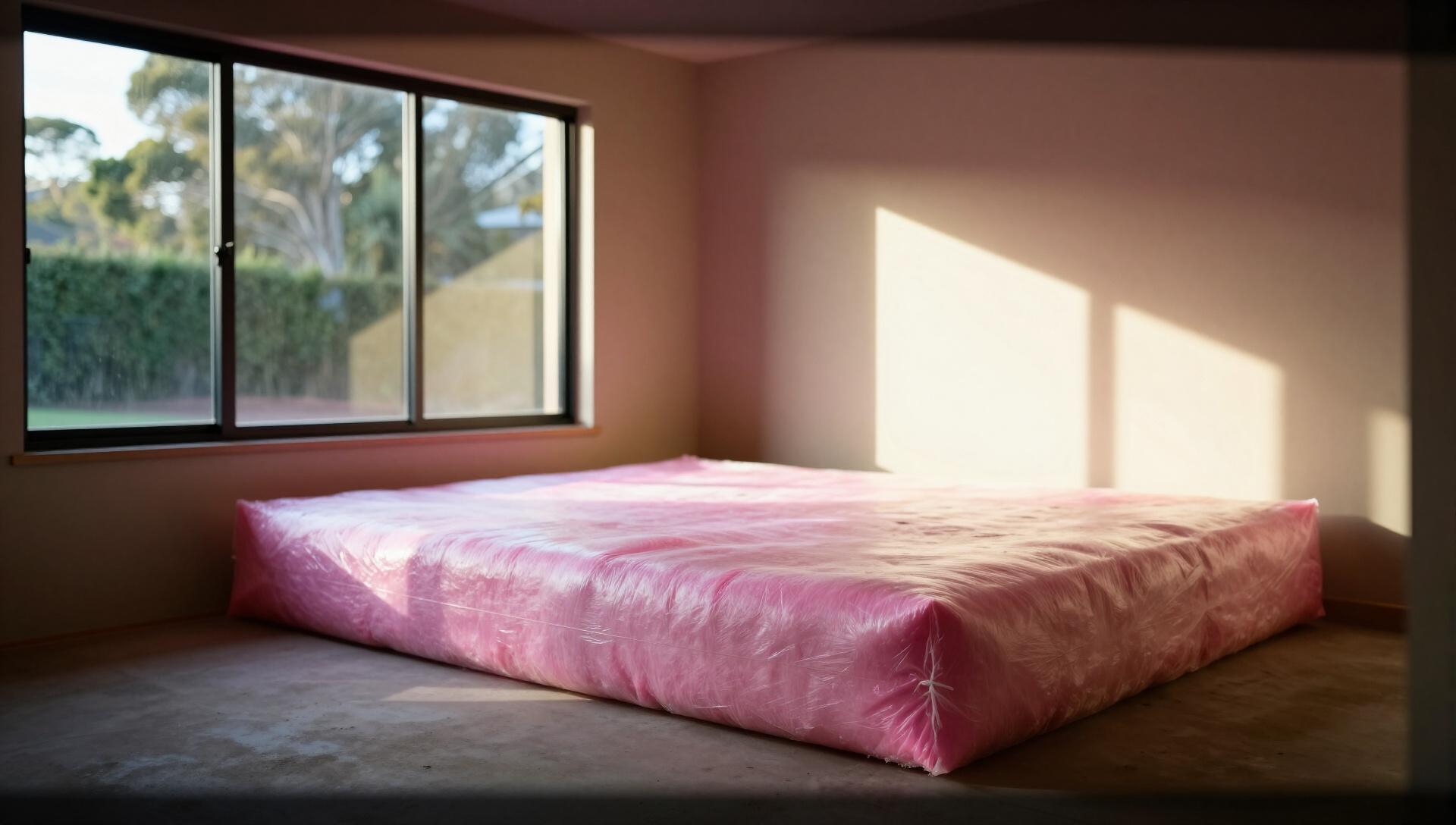
Mill Park’s cold winters and hot summers push heating and cooling systems hard. Bulk insulation reduces the load on your system by slowing heat transfer through the building envelope, which lowers energy use and improves comfort year round.
By resisting the flow of heat, bulk insulation keeps warmth in during winter and out during summer. This directly reduces the runtime of heaters and air conditioners, cutting power bills in Mill Park homes.
Batts in the ceiling and walls smooth out temperature swings. Rooms stay warmer in winter and cooler in summer without hot and cold spots common in uninsulated homes.
Dense bulk materials absorb airborne noise. In Mill Park’s attached and semi-detached homes, this means less street noise and quieter internal spaces between rooms.
Properly installed bulk insulation with a vapour barrier helps manage moisture in roof spaces and subfloors, reducing the risk of mould and structural damage in damp Melbourne conditions.
Glasswool and rockwool batts are non-combustible, providing an additional layer of fire resistance in your ceiling and wall cavities.
Quality bulk insulation retains its thermal performance for decades if kept dry and undisturbed. It does not settle or degrade like some loose-fill products.
We begin with a site inspection to check access, existing insulation and any obstacles like downlights or cables. Then we measure the areas and recommend the right R-value and material for your home.
We inspect the roof space, wall cavities and subfloor to confirm clearances, access points and the condition of existing batts. For walls, we check if cavities are open or if removal of linings is required.
Based on your budget and performance goals, we choose glasswool, polyester or rockwool batts and the appropriate R-value for ceilings, walls and underfloor areas.
We lay batts between ceiling joists, wall studs or floor joists without compressing them, maintaining required gaps around downlights, flues and electrical cables. In subfloors, we ensure adequate crawl space access.
After installation, we remove all offcuts and debris, then verify that the insulation is continuous with no gaps or compression that would reduce performance.
Mill Park includes a range of housing from 1960s to 1990s brick veneer homes to newer estates. Many of these properties have little or no ceiling insulation and uninsulated wall cavities, leading to high heating and cooling costs. Bulk insulation addresses this by adding thermal resistance where it is needed most.
We install bulk insulation in Mill Park ceilings, walls and underfloors to improve thermal performance and reduce energy bills.
Homeowners in Mill Park often ask about the best R-value for their home, whether existing batts can be topped up and how long installation takes. Here are the answers.
Bulk insulation in Mill Park is a practical upgrade for older brick veneer homes and newer builds that lack adequate thermal resistance. By fitting glasswool, polyester or rockwool batts in ceilings, walls and under floors, you reduce heat loss in winter and heat gain in summer, which lowers energy consumption and improves comfort.
In Mill Park’s climate, ceilings commonly use R4.0 to R6.0 batts to counter winter heat loss, while walls benefit from R2.0 to R2.7 and underfloors from R1.5 to R2.5. The right R-value depends on your budget, the size of the area and how much you rely on heating and cooling. Higher R-values provide better resistance but cost more upfront.
Installation time varies by job size and access. A standard ceiling in a Mill Park home can often be completed in a day, while walls may require longer if internal linings need removal. Subfloor work depends on crawl space height and the presence of obstacles like pipes and ducts. We always maintain safe clearances around downlights and flues to meet Australian standards.
Call Expert Insulation Melbourne on 0399695249 or email info@expertinsulationmelbourne. com. au to discuss bulk insulation for your Mill Park home.