
Lower Heating and Cooling Costs
Insulating the cavity reduces the flow of heat through walls, so your heater and air conditioner work less to maintain a comfortable temperature. This directly cuts energy use and power bills.
Mill Park Wall Insulation
Expert Insulation Melbourne installs cavity wall insulation in Mill Park brick veneer homes to reduce heat loss, draughts and energy bills.
Share your details and Expert Insulation Melbourne will contact you about Cavity Wall Insulation in Mill Park.
Cavity wall insulation fills the gap between the inner and outer leaf of brick veneer walls with insulating material. In Mill Park, this is a practical way to improve thermal resistance in many 1960s to 1990s homes without removing wall linings. The process uses small holes drilled into the mortar, through which loose fill or injected foam is placed, then the holes are patched to match the existing brickwork.
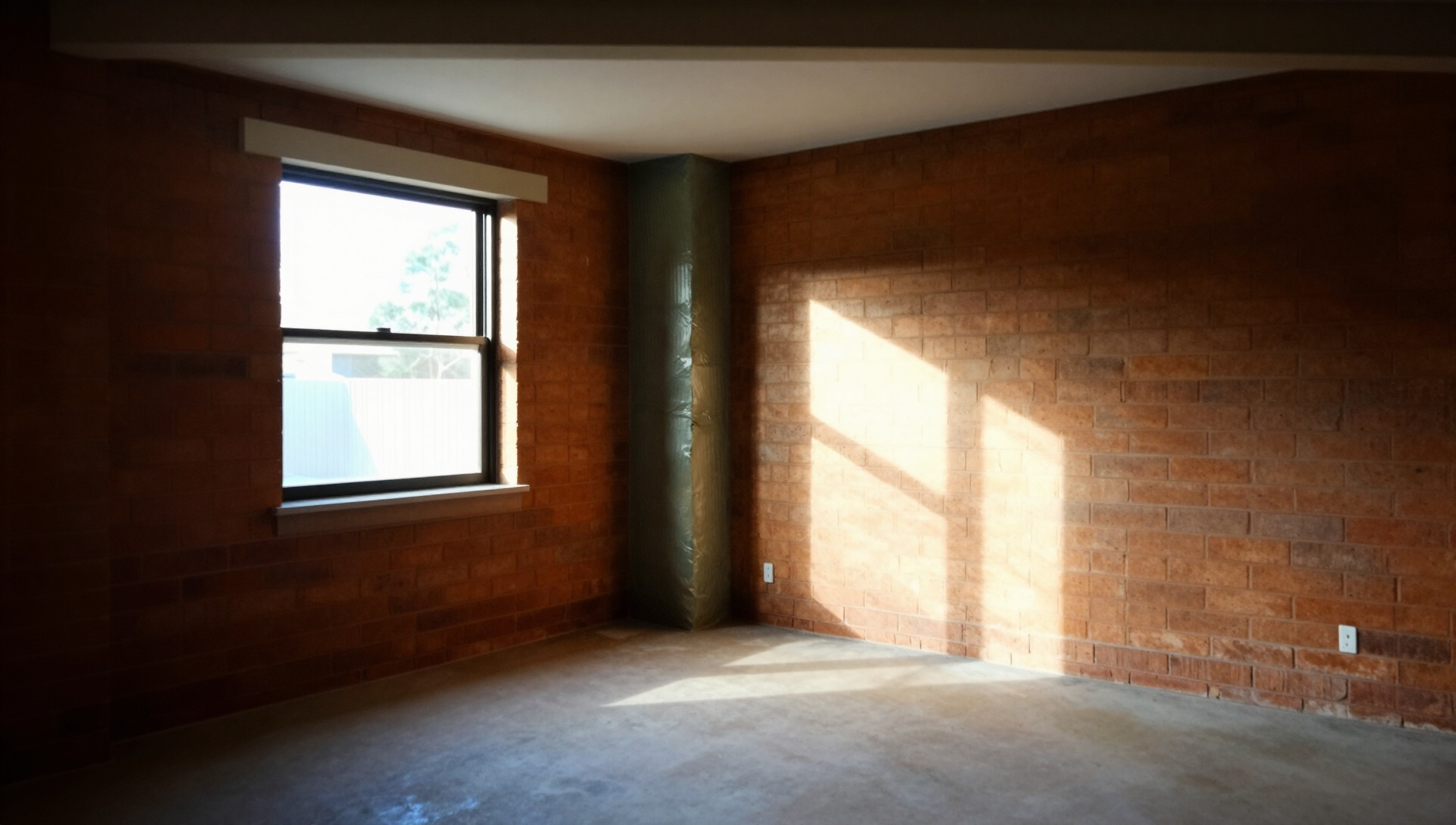
Mill Park’s mix of older brick veneer homes and newer builds often lacks effective wall insulation, leading to cold walls in winter and overheating in summer. Cavity wall insulation addresses this by adding a thermal barrier within the wall structure.
Insulating the cavity reduces the flow of heat through walls, so your heater and air conditioner work less to maintain a comfortable temperature. This directly cuts energy use and power bills.
Brick veneer walls without insulation can feel cold to touch in winter and radiate heat in summer. Cavity insulation moderates these extremes for a more consistent indoor climate.
Gaps in brickwork and around windows can let in cold air. Cavity insulation helps block these draughts, improving comfort and reducing the need for constant heating.
Properly installed cavity insulation allows the wall to breathe, reducing the risk of condensation build-up inside the cavity that can lead to mould or damp issues.
The work is done from the outside, with no need to remove internal plaster or wall linings. This keeps disruption to your home and daily routine to a minimum.
Quality cavity insulation materials are designed to maintain their thermal resistance over time, providing lasting benefits without settling or degrading.
The installation follows a structured approach to ensure the cavity is fully filled without damaging the wall or leaving gaps. Each step is tailored to the specific wall construction and condition of your Mill Park home.
A site assessment confirms the wall type is brick veneer with a suitable cavity, checks for moisture issues, and identifies any obstacles like pipes or electrical conduits. If asbestos is suspected in old materials, work stops until a qualified assessor inspects it.
Small holes are drilled into the mortar joints at regular intervals, typically every 600 to 800 mm. These provide entry points for the insulation material without weakening the brickwork.
Loose-fill insulation or foam is injected into the cavity through the holes, starting from the bottom and working upwards to ensure complete fill. The installer monitors the process to avoid overfilling or leaving voids.
Once the cavity is filled, the access holes are sealed with matching mortar to restore the wall’s appearance. Any excess material is cleaned off, leaving the exterior looking as it did before.
Mill Park’s suburban homes, many built from the 1960s onwards, often feature brick veneer construction that benefits from cavity wall insulation. The area’s cold winters and hot summers make effective wall insulation a practical upgrade for year-round comfort. Nearby suburbs like Bundoora and Epping share similar housing styles and climate exposure, so the same principles apply.
Expert Insulation Melbourne installs cavity wall insulation in Mill Park brick veneer homes to improve thermal performance and reduce energy costs.
Homeowners in Mill Park often have questions about how cavity wall insulation works, whether their home is suitable, and what to expect during installation. Here are the most common queries.
Cavity wall insulation in Mill Park is a cost-effective way to enhance the thermal performance of brick veneer homes. Many properties in this suburb were built with uninsulated cavities, leading to significant heat loss in winter and heat gain in summer. By filling the cavity with insulating material, you create a barrier that slows the transfer of heat through the walls, keeping your home warmer in winter and cooler in summer.
The process is particularly suited to Mill Park’s housing stock, where brick veneer is common. Unlike solid brick or weatherboard walls, brick veneer has a hollow space between the outer brick layer and the internal frame. This cavity can be accessed from the outside, allowing insulation to be injected without the need for internal wall removal. This makes it a practical retrofit solution for existing homes.
In addition to thermal benefits, cavity wall insulation helps reduce draughts and air leakage through the wall structure. This is especially valuable in Mill Park, where older homes may have gaps in the brickwork or around windows that let in cold air. The insulation also contributes to moisture management by reducing condensation risk within the cavity, provided it is installed correctly with appropriate materials.
If your Mill Park home has brick veneer walls and struggles with temperature control, cavity wall insulation can make a noticeable difference. Contact Expert Insulation Melbourne to discuss suitability and arrange an inspection.