
Lower Heating and Cooling Costs
Ceiling batts with a typical R4.0 to R6.0 rating reduce the amount of heat escaping through the roof. This means your heater works less in winter and your cooler runs less in summer, cutting energy bills.
Mill Park
Ceiling insulation fitted between your ceiling joists stops winter heat loss through the roof space. We install glasswool and polyester batts in Mill Park homes to improve thermal resistance and cut heating costs.
Share your details and Expert Insulation Melbourne will contact you about Ceiling Insulation in Mill Park.
Ceiling insulation is the most effective way to reduce winter heat loss in Mill Park. Batts are laid between the ceiling joists in your roof space to trap still air and improve thermal resistance. This is the main path for heat escaping in older brick and weatherboard homes common in the area.
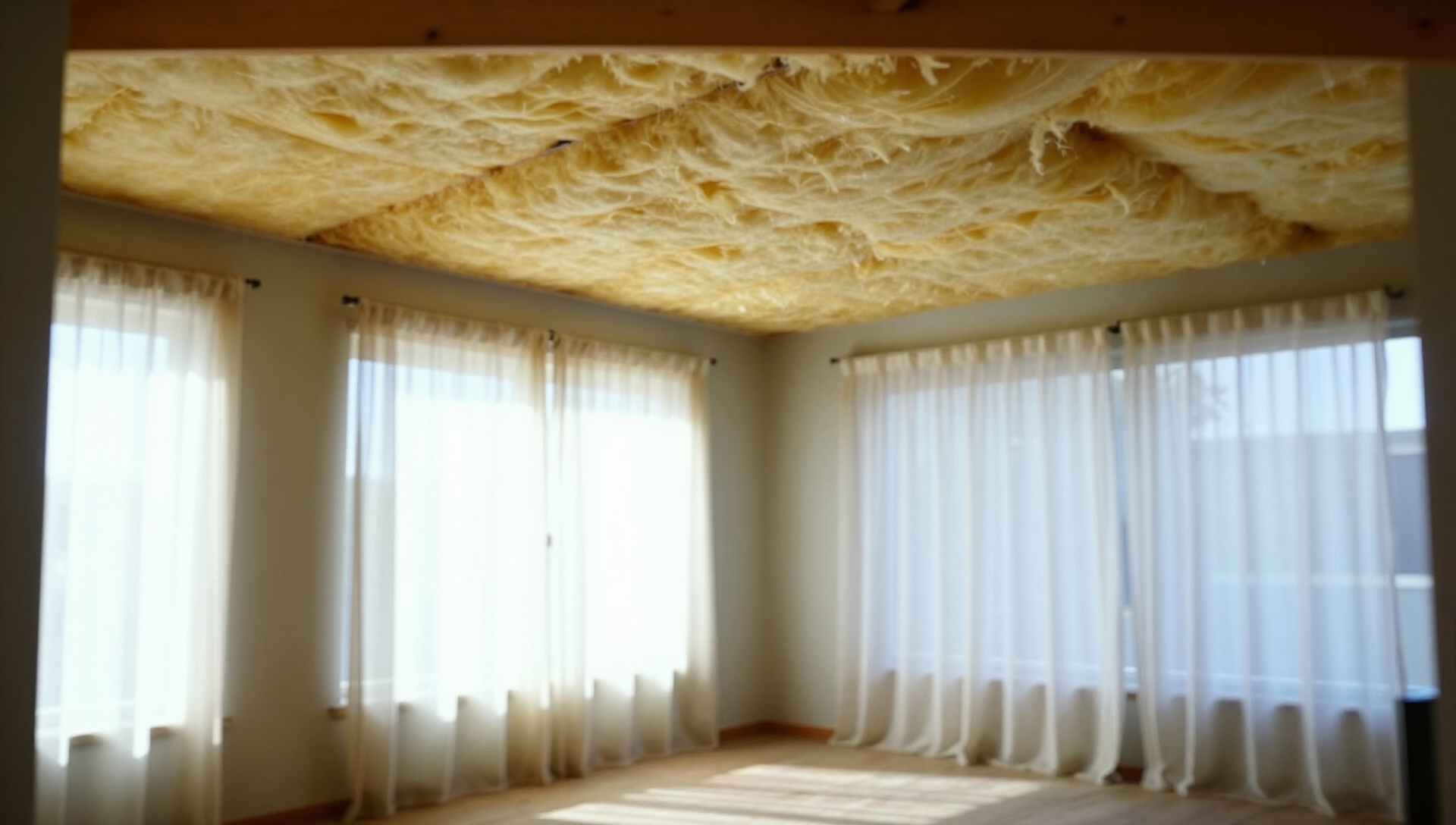
Mill Park’s cold winters and hot summers make ceiling insulation a practical upgrade. The roof space is the main route for heat loss in winter and heat gain in summer, so improving thermal resistance here delivers the biggest comfort and cost benefits.
Ceiling batts with a typical R4.0 to R6.0 rating reduce the amount of heat escaping through the roof. This means your heater works less in winter and your cooler runs less in summer, cutting energy bills.
Bulk insulation traps still air, slowing the transfer of heat. Rooms stay warmer in winter and cooler in summer without the temperature swings that come through an uninsulated roof.
Properly installed ceiling batts help manage moisture by reducing the temperature difference between the roof space and living areas. This minimises condensation that can lead to mould and dust buildup.
Many Mill Park homes have thin or compressed old batts that no longer perform. Topping up or replacing them restores thermal resistance and stops draughts through gaps in the ceiling.
Bulk insulation also absorbs sound, reducing noise from rain on the roof and outside traffic. This is noticeable in homes near Plenty Road or in busier parts of the suburb.
Glasswool and polyester batts do not settle or degrade over time if installed correctly. They maintain their R-value and thermal performance for the life of the home.
We start with a roof space inspection to check access, existing insulation and any obstacles like cables or downlights. The job is typically completed in a day, depending on the size of your home and roof pitch.
We access your roof space via the manhole to assess the current insulation, ceiling joist spacing and any clearance requirements around downlights, flues or electrical cables. If old batts may contain asbestos, work stops until a qualified assessor inspects them.
If your existing batts are thin, compressed, wet or damaged, we remove them before installing new material. This ensures the new insulation sits flat and performs at its rated R-value.
We lay glasswool or polyester batts snugly between the ceiling joists, butting them together without gaps. Batts are cut to fit around obstacles and maintain required clearances to prevent fire hazards.
We check that all areas are covered and that no gaps or compression will reduce performance. Loose debris and dust are vacuumed from the roof space, and the manhole is sealed properly.
Mill Park has a mix of 1970s to 1990s brick veneer homes and newer estates, many with roof spaces that were under-insulated or have degraded batts. Ceiling insulation is the first upgrade to improve comfort and reduce energy use in these properties. The suburb’s exposure to cold southerlies in winter and hot northerlies in summer makes thermal resistance at the ceiling level especially important.
Stop winter heat loss and summer heat gain with ceiling batts installed in your Mill Park roof space.
Homeowners in Mill Park often ask about R-values, access and whether their existing insulation is still doing its job. Here are the key details for ceiling insulation in this suburb.
Ceiling insulation in Mill Park reduces winter heat loss and summer heat gain by improving thermal resistance in the roof space. Batts are installed between ceiling joists to trap still air, which is the main barrier to heat transfer. This is especially effective in Mill Park’s older brick veneer and weatherboard homes, where the ceiling is often the only insulated area.
Glasswool and polyester are the most common bulk insulation materials for ceilings, with typical R-values of R4.0 to R6.0. Higher R-values provide better thermal resistance but require more thickness, so roof space depth and joist spacing can affect the choice. We also ensure clearances are maintained around downlights and flues to meet safety standards.
Signs your Mill Park home needs ceiling insulation include cold draughts from the ceiling, high heating bills in winter, or visible gaps and compression in existing batts. If your roof space has old, thin or rodent-damaged material, removal and replacement will restore performance. Access via the manhole is usually straightforward, though steep roof pitches or limited crawl space can add time to the job.
Improve thermal resistance and cut energy costs with ceiling batts installed in your Mill Park home. We inspect, remove old material if needed, and fit new glasswool or polyester insulation to the correct R-value.